
Using Data to Boost School Marketing Success
How data analytics transforms school marketing through lead scoring, audience targeting, measuring effectiveness, and improving student retention with data-driven strategies.
By RGI Consulting
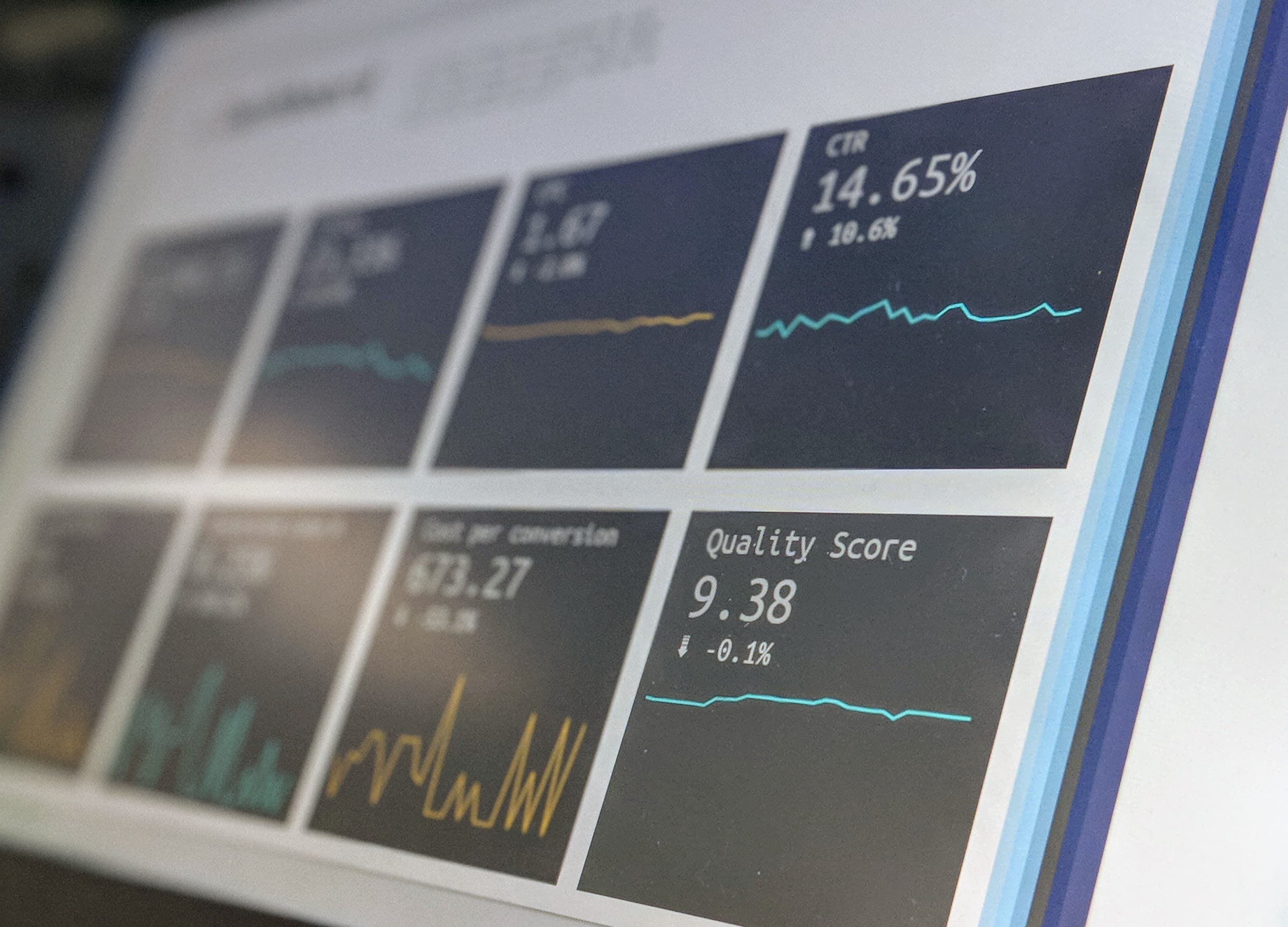
Marketing for educational institutions has always been a challenging task. With the rise of digital platforms, and as the needs and preferences of students evolve, schools and universities must adopt new strategies to stand out. This is where data analytics comes into play. By harnessing the power of data, institutions can craft more effective marketing strategies that not only attract prospective students but also ensure they retain and graduate them. For those in leadership positions at colleges, trade schools, and universities, understanding and leveraging data analytics is becoming an indispensable skill.
One of the core challenges schools face is how to reach potential students in the most meaningful way. Traditional methods don't quite cut it, especially with the digital platforms that modern students engage with. Here, data analytics becomes a game changer. By analyzing data, schools can identify trends and patterns to fine-tune their marketing campaigns. This approach is not just about crunching numbers; it's about understanding the narrative they reveal and using that knowledge to make informed decisions.
In my experience working with higher education institutions, I've seen firsthand how data can completely transform marketing outcomes. For instance, we developed what we call the "Supermodel" - a comprehensive lead scoring system that combines demographic information with consumer intent data based on prospective student behavior across websites. This approach allowed our clients to get much smarter about the quality of prospects they were attracting and ultimately improved enrollment conversions by helping them focus resources on the most promising leads.
Understanding Data Analytics in School Marketing
Data analytics is the science of analyzing raw data to make conclusions about that information. In the context of school marketing, it plays a key role by providing insights that were previously inaccessible. Schools can collect different types of data, such as:
- Student engagement metrics: This includes attendance, participation in events, and interactions on digital platforms.
- Digital marketing performance: Tracks how well marketing campaigns are doing across various platforms.
- Enrollment trends: Examines patterns in student enrollments over time to forecast future needs and opportunities.
- Lead quality indicators: Behavioral signals that indicate a prospect's likelihood to enroll.
Understanding these elements can help educators refine their approach to student recruitment and engagement. The tools used for such analytics are often platforms like Google Analytics, CRM systems tailored for education, or even simple spreadsheets for smaller institutions. When schools start leveraging these tools, they uncover valuable information on how students interact with their content, what attracts them, and where there might be gaps to fill.
This is not just about acquiring data but about turning it into actionable insights. For example, by focusing on trends in student engagement data, schools can adapt their marketing messages to better resonate with prospective students. These insights can also guide the planning of events and activities throughout the school year, ensuring they're relevant and engaging for the student body.
However, data can sometimes surprise you in ways that challenge your assumptions. I recall working with a client who was convinced that a particular ZIP code area was perfect for their target demographic - all the surface-level data pointed to it being an ideal location. But when we dug deeper into enrollment patterns and conducted follow-up analysis, we discovered that despite the demographic match, this area had poor conversion rates. The reason? It was too far from campus with no reliable public transportation options. This insight completely shifted their geographic targeting strategy and saved them significant marketing spend.
Applying Data Analytics to Refine Marketing Campaigns
Once you've gathered your data, it's time to use it effectively. Understanding your target audience is a crucial step in refining marketing strategies. Data analytics allows schools to pinpoint who they're trying to reach, whether these are local residents, international students, or adults seeking further education. By analyzing patterns in data, it's possible to identify segments of the student population that should receive special attention.
The lead scoring model I mentioned earlier - our "Supermodel" - exemplifies this approach. By combining demographic data with behavioral intent signals (like time spent on program pages, downloaded resources, or engagement with specific content), schools can prioritize their outreach efforts. Instead of treating all inquiries equally, they can focus their admissions team's time and energy on prospects most likely to convert.
Optimizing communication channels can also yield better engagement with prospective students. For instance, if data shows that high school students engage more with Instagram, whereas adult learners prefer LinkedIn, schools can tailor their messages accordingly. Adjusting communication styles for different platforms ensures your message doesn't just reach an audience but resonates with them. Using historical data to tweak future marketing campaigns further enhances effectiveness. If previous campaigns found success during specific times of the year or with particular messaging, schools can adapt their strategies to build upon past successes.
Measuring the Effectiveness of Marketing Strategies
To know if strategies are working, measuring performance is key. Schools must identify key performance indicators (KPIs) relevant to their goals. These might include application rates, engagement levels on social media, or conversion rates from inquiries to enrollments. Once KPIs are established, setting measurable goals becomes easier, allowing schools to see where efforts pay off most.
One critical aspect that many schools overlook is the importance of connecting campaign data with down-funnel enrollment outcomes. There are valuable signals available if you can collect information from your admissions team and correlate it back to your marketing campaigns. For example, tracking which marketing channels produce not just inquiries, but students who actually show up for orientation, complete their first semester, or graduate. This type of analysis can reveal that certain campaigns might generate high inquiry volume but poor-quality leads, while others produce fewer but higher-converting prospects.
Regularly reviewing these metrics is important. A strategy might start strong but could need adjustments as trends change. Using data-driven insights helps schools tweak their approaches, ensuring they remain effective. This process isn't just about numbers; it's about seeing a bigger picture to guide smart decisions.
Improving Student Retention Through Data-Driven Strategies
Data analytics isn't just for enrollment; it's also a valuable tool for keeping students engaged and enrolled. By tracking student involvement and progress, schools can identify students at risk of dropping out. Early intervention programs informed by data can address issues before they escalate.
The same behavioral tracking principles used in the lead scoring model can be applied to enrolled students. Patterns in LMS engagement, attendance, assignment completion, and even campus facility usage can signal when a student might be struggling or losing interest. This allows for proactive outreach rather than reactive responses to academic problems.
Improving the student journey involves creating personalized experiences. When schools understand student preferences and behaviors, they can tailor resources and support to individual needs. Personalized communication also plays a role, whether it's about keeping students informed or making them feel appreciated. By fostering a strong connection with students, schools can cultivate an encouraging environment that supports academic success.
Wrapping Up with Data-Driven Success
Embracing data analytics transforms how schools approach marketing. By making campaigns more informative and relevant, data-driven insights open the door to future opportunities. Decision-makers who integrate analytics into their strategies pave the way to a successful academic experience.
The key is to remember that data analytics isn't just about collecting information - it's about asking the right questions and being prepared for surprising answers. Whether it's discovering that your assumed target area isn't as valuable as expected, or finding that certain campaigns excel at attracting students who actually persist through graduation, data will guide you toward more effective strategies.
Data analytics provides a roadmap for navigating the challenges of student engagement and retention. As educational landscapes evolve, institutions equipped with data-driven insights stand ready to adapt and thrive. Remember, these analytics aren't just tools—they're allies in building better connections with students, ensuring not just their enrollment, but their growth and success.
Enhancing your institution's approach to student engagement and retention through data analytics can open up new opportunities for growth and success. If you're aiming for improved strategies and tailored outcomes in your school's marketing efforts, explore how our marketing consulting services at RGI Consulting can help you achieve your goals.